

5 Signs Your Hardwood Floors Need Refinishing Tampa
By All About Flooring Tampa Bay Contractors Editorial Team · 3 min read
If your hardwood looks dull, the finish is peeling, or you can feel scratches underfoot, you likely need refinishing. This guide lists five clear signs that refinishing is the right next step, explains cost factors, and gives a short checklist to prepare. Read the signs, then use the checklist to plan a confident next step.
TL;DR
- Visible finish failure, deep scratches, and worn traffic lanes are the most common signs you need refinishing.
- Refinishing is usually cost effective if boards have enough thickness for sanding and no major structural damage.
- Get a contractor to inspect moisture-related problems like cupping before committing to sanding.
- Compare finish types and repair needs to understand the total cost, not just per-square-foot estimates.
Immediate warning signs to watch for
If you see any of these, plan an inspection. Some signs are urgent, others just mean cosmetic work.
- Wide, dark gaps between boards
Check for humidity issues and have a pro assess whether sanding and refinishing will hide gaps or if board replacement is needed. - Large areas where finish flakes or peels
Schedule refinishing; peeling means the protective layer has failed and wood is exposed to wear and moisture. - Cup or crown on boards (visible cupping or arching)
Investigate moisture sources. Some cupping can be corrected with drying plus refinishing; severe cases may require plank replacement. - Deep scratches and gouges that catch your fingernail
Minor scratches may be sanded out; gouges might need board repair or partial replacement before refinishing. - Finish is worn down to raw wood in traffic paths
Refinishing is recommended before damage becomes permanent and boards thin below safe sanding depth.
1. The finish is flaking, peeling, or powdery
When a protective layer no longer adheres you will see visual failure rather than just loss of luster. - Finish flakes or peels up in strips or patches. - A chalky or powdery feel means the top layer has chemically broken down. - These conditions let moisture and dirt reach the wood, accelerating wear.
Action: Peeling or flaking is a clear invitation to refinish. If the problem covers a small area you can sometimes spot-repair, but widespread failure needs sanding and a new polyurethane coat to protect the whole floor.
2. Deep scratches, gouges, or worn-through areas
Light surface scratches are cosmetic, but when scratches catch your fingernail or you can see raw wood, damage is deeper. - High traffic paths that show bare wood mean the finish is gone in those areas. - Repeated pet nails or moving heavy furniture can create gouges that sanding must remove.
Action: Deep scratches usually require at least one full sanding pass. Severe gouges may need board replacement before refinishing, so identify these spots during the inspection.
What affects refinishing cost
Understanding cost drivers helps you compare quotes and choose the right approach.
Extensive damage, deep gouges, or many replaced boards increase labor and material costs.
Old, uneven floors need more sanding and more finish coats, which raises the price.
Water-based polyurethane dries faster but may cost more than oil-based options; oil finishes require longer cure time.
Stain removal, nail pops, and replacing damaged planks are billed separately from sanding and coating.
Tight staircases, long carry distances, or weekend work can add to labor charges.
3. Color is uneven or stains are set in
Sun-bleached patches, dark stains, or blotchy areas from spills make floors look old even when structurally sound. - Finish layers can hide underlying stains until the surface is worn. - Sanding to fresh wood evens out color and gives you the option to restain for a uniform appearance.
Action: Refinishing is the typical remedy for uneven color. If you want a different tone, discuss staining during the estimate. If stains penetrate deeply, additional sanding or localized board replacement may be necessary.
4. Boards cup, crown, or separate
Movement between boards shows as gaps, cupping (edges higher than center), or crowning (center higher than edges). This is often moisture related. - Small seasonal gaps are normal in humid climates and may close as humidity changes. - Permanent wide gaps, buckling, or severely cupped boards indicate a moisture or subfloor issue.
Action: Address the underlying moisture before refinishing. If the cause is resolved and boards are still within safe sanding depth, refinishing can restore appearance. If boards are warped or buckled, replacement may be the only reliable solution.
How to prepare before a refinishing estimate or job
Use this list to get accurate quotes and speed up the work when contractors arrive.
- Clear furniture and personal items from the rooms being refinished
- Note areas with stains, scratches, or uneven color to point out during the estimate
- Make a list of doors, vents, and thresholds that may need adjustment after sanding
- Confirm any pets or houseplants are relocated for the duration of the project
- Measure approximate room sizes to get a rough cost idea before the pros visit
5. Finish is dull in traffic lanes but glossy elsewhere
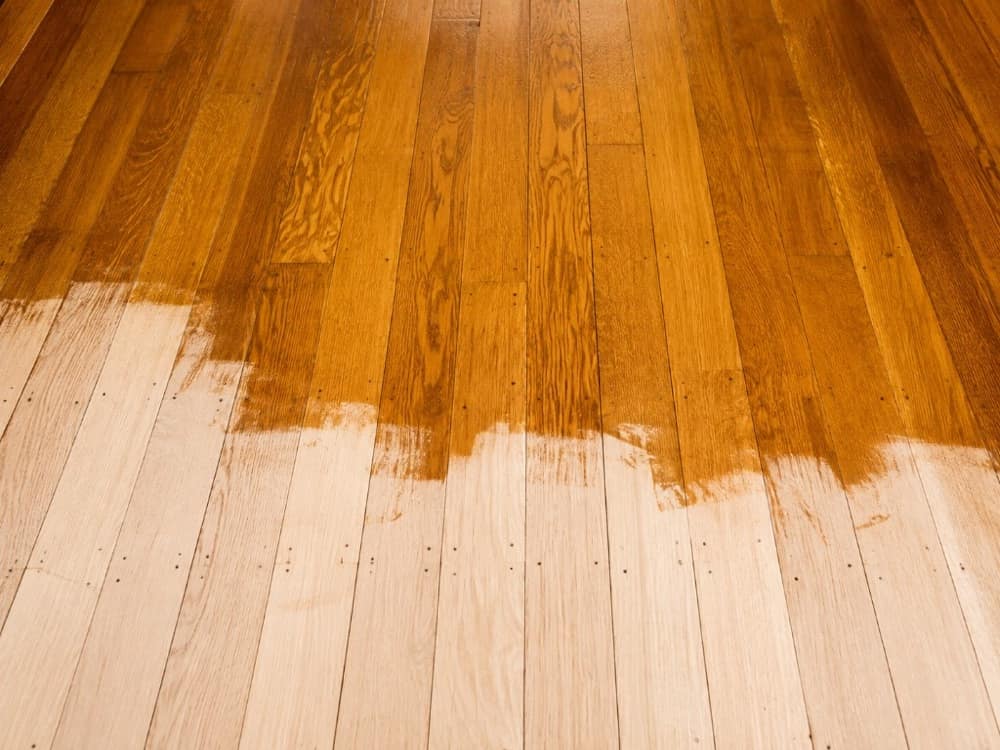
When only usual walkways are worn, the finish has failed unevenly. This progresses to bare wood and uneven protection. - Dull traffic lanes are an early warning sign. - Left untreated, those paths will develop deeper scratches and discoloration.
Action: Early-stage traffic wear can sometimes be corrected with screening and a maintenance coat of finish. If the wear reaches raw wood or the finish layers vary widely across rooms, a full sand and recoat is the most durable solution.
When to consider replacement instead of refinishing
Refinishing is sensible when the wood is thick enough for sanding and boards are structurally sound. Consider replacement if: - Boards have been refinished multiple times and are too thin for safe sanding. - There is widespread rot, severe water damage, or chronic cupping. - You prefer a different material like LVP for moisture resistance or want engineered hardwood installation for stability.
If you are weighing options, a contractor can examine board thickness and propose either refinishing or replacement. For a detailed refinishing service description see this page on refinishing floors Tampa.
Next practical steps for Tampa homeowners
Use the preparation checklist module above, then get at least two written estimates that include repair scope and finish type. Photographs of problem areas help contractors give accurate bids. If you want a focused refinishing option from a local contractor, review this refinishing service page for details on process and outcomes: refinishing floors Tampa.
If you find extensive damage or are replacing more than a few boards, ask the contractor about flooring demolition services and coordinating work with tile installers or other trades.
Frequently asked questions
How do I tell if my hardwood floors can be refinished?
A pro will check plank thickness and condition. You can look for these signs at home: the wood is solid (not rotted), boards are not worn through to the tongue, and damage is surface and not structural. If sanding would leave too little wood, replacement is required. Have a contractor inspect areas with deep gouges, extensive staining, or water damage before deciding.
What is the Rule of 3 for flooring?
The Rule of 3 refers to a quick decision heuristic used by some flooring pros: if more than three boards in a concentrated area are damaged, consider replacement rather than spot repairs; if a room needs more than three sanding passes to even the surface, expect higher cost; and when replacing flooring, consider at least three sample options to compare durability and look. Ask your contractor to explain how they apply this rule to your situation.
Is it cheaper to restore wood floors or replace them?
Generally, restoring by sanding and refinishing is cheaper than full replacement when boards are structurally sound and thick enough for sanding. Replacement becomes more cost effective if many boards are rotten, repeatedly refinished to thinness, or if you prefer a different material like LVP. Get detailed estimates that separate repair, sanding, and finish so you can compare true costs.
What not to do when refinishing hardwood floors?
Do not attempt aggressive DIY sanding without experience; uneven sanding can leave visible low spots. Avoid using the wrong grit progression or skipping proper dust containment. Do not apply a finish over a flaking or contaminated surface. Finally, do not ignore underlying moisture or structural problems; refinishing without addressing the cause will lead to repeat failures.
Ready to get started? Contact All About Flooring Tampa Bay Contractors today.
Call (813) 313-9466Request service online